

Close to 60% of retail businesses don’t survive beyond their first decade, underscoring the significance of long-term financial planning.
More often, unexpected costs have a way of showing up now and then. Budget planning, if done poorly, can quickly spiral into cash flow and liquidity management issues and shrinking profit margins. A spike in the production cost or hidden expenses can throw your budget off track.
While planning a budget, what modern businesses usually leave behind is room for unwanted surprises. The situation can quickly go from bad to worse if there is no financial cushion. One small yet unplanned cost can badly impact your profitability.
In such cases, having a contingency in the budget can save you from losing financial control. Here, we are pulling back the curtains on the contingency budget definition and how to create a contingency budget plan. So, let’s get into this without any further ado.
What is a Contingency Budget?
A contingency budget is a portion of a company’s overall budget, which is set aside to cover unforeseen expenses. It is the company’s bid to keep a financial cushion and eliminate financial stress during a hard time. Usually, 10% or less of the total company’s cost is kept as reserve funds to deal with any unexpected financial challenges.
In simple words, budget contingency is a financial buffer allocated to address unanticipated costs that come out of nowhere. This could be an increase in material costs, labor charges, extra project requirements, or any other factor. Ensuring contingency in the budget means you are well prepared for surprises you never saw coming.
Manage Business Finances Tirelessly
Ditch spreadsheets & start automating your invoicing, expense tracking, and budget management with Moon Invoice.
Contingency Budget Example
You handle a construction project, for example, with an estimated budget of $40,000. The project encompasses material costs, labor, equipment, and other planned expenses. But, as the work progresses, you meet unexpected challenges like an increase in material cost and the requirement of additional labor to accomplish the project work within a given deadline.
To deal with such scenarios, what you create is a contingency budget of 10% before commencing the project work. This means to add an extra $4,000 to your overall budget, bringing the total to $44,000.
Now that you have a financial buffer in place, you can handle unexpected expenses without disrupting the project work. This way, the work continues smoothly, timelines are maintained, and financial stress is no longer a concern.
How to determine Budget Contingency?
Here are a few factors to consider when determining the contingency in the budget for your next project.
1. Project Size
Check how big the project is, i.e., whether it is a long-term project or a short-term project. According to the project size, you get an idea of how much contingency you should set aside.
2. Percentage Method
Rely on the percentage method to allocate some percentage of your budget to a specific project. For example, you can keep 5 to 7% of your funds as a reserve for complex projects that may take months to complete.
3. Risk Involved
Analyze the risk associated with your ongoing projects and gauge the project complexity level. See if weather or labor shortages can impact the project budget and, accordingly, create a contingency plan.
4. Past Projects History
Review completed project data to find how many times you encountered unexpected surprises. Following which, you can create a realistic contingency plan and keep such challenges at bay.
How to Create a Contingency Budget Plan
Here’s a 5-step process to consider when creating a contingency plan from scratch.
1. Estimate Cost of the Project
First, start estimating the total cost of the project as accurately as possible for planned expenses, like materials, labor, equipment, and operational costs. Because only a clear and detailed project cost estimate will aid in effective budgeting. For that, break down the project into smaller components to learn how much each part will cost you.
By doing so, you know where the money is flowing, which significantly reduces the chances of overlooking important expenses. The more precise your initial estimate, the easier it becomes to plan for contingencies later.
2. Assess Risk Probability
Once you have a clear cost estimate, the next thing to focus on is potential risks. Identify risks early, so that they do not impact your budget. Remember, factors like price fluctuations, delays, scope changes, or unexpected operational issues should never go unnoticed. Sure, some costs rarely change, but assessing them will help you know what to prioritize and set the contingency plan very effectively.
Following this step, you move from guesswork to informed planning, making sure your contingency fund is both realistic and sufficient.
3. Compute Contingency Reserve
Now comes the main part, i.e., to set aside some amount to handle those uncertainties without affecting your core budget. Your contingency should be based on the level of risk involved in your project.
At this point, your common approach is to rely on the percentage method. For low-risk projects, a 5% to 10% reserve would be sufficient, while medium to high-risk projects will require 10% or even more. Here, the idea is to create a contingency that aligns with the complexity and unpredictability of the project.
This way, you can assure that the contingency budget is not just a rough estimate, but a calculated buffer.
4. Obtain Approval
Following that, what remains is to seek approval from the stakeholders. Considering the nature of your project, you might need approval from the project managers, the head of the accounting department, or clients as well. So, explain to them how setting a contingency budget is your bid to stay ahead of the financial challenges.
While stressing the need for contingency, you can also highlight what the impact could be if there is no buffer. This builds transparency and helps stakeholders understand that the reserve is a must-have. When everyone is aware of the contingency plan, it is pretty much easier to manage funds responsibly.
5. Review and Adjust
Surely, a contingency budget isn’t a set-it-and-forget-it thing. As the project progresses, new risks keep arising while others may no longer be relevant. Having said that, regularly reviewing your budget can make a difference, allowing you to stay aligned with the current situation.
Therefore, what’s required is to monitor how your contingency funds are being used and compare actual expenses with your initial estimates. If possible, you can reallocate funds for new uncertainties that emerge unexpectedly, which means you also need to adjust your contingency accordingly.
What’s the Purpose of Creating a Contingency Budget?
The preliminary purpose of making a contingency budget is obvious – you need a safety net for “just-in-case” scenarios. It does not really matter how meticulously you plan the budget, unanticipated costs are inevitable, almost. That further sums up why you need to create a budget contingency.
Moreover, bringing in contingency in the company’s budget means no chance of losing financial control. You do not have to stretch your budget when unplanned expenses pop up. And, of course, no need to extend the project deadline. Since you already have a financial buffer by making a contingency plan, you can confidently decide your next move. There’s no sudden financial strain either.
Best Practices for Managing Contingency Budgets
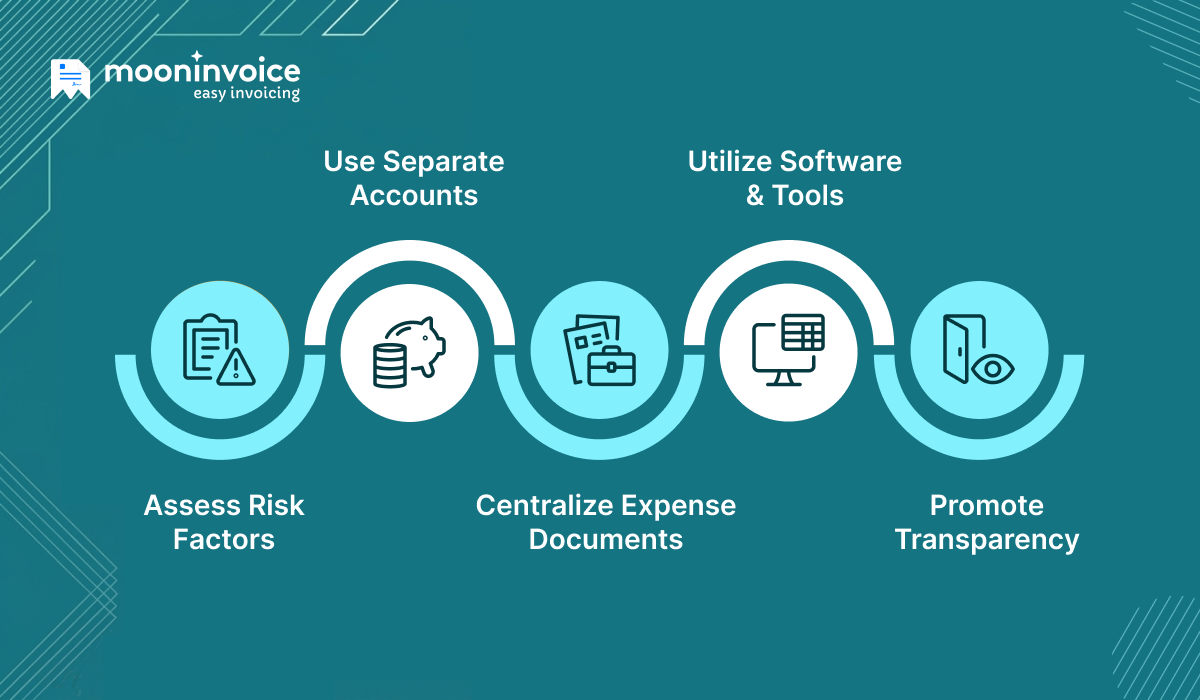
Below are some standard business practices to maintain contingency in the budget, especially when dealing with multiple projects.
1. Assess Risk Factors
Always keep an eye on growing risk factors when overseeing multiple projects and prepare a contingency plan that aligns with the project requirements.
2. Use Separate Accounts
Try to keep fund reserves in two separate accounts where you have complete control of their movement. This practice makes sure your team doesn’t spend casually.
3. Centralize Expense Documents
Get expense management software to centralize project-related expense documents. It’s worth keeping on a single platform, so that you can get an idea of spending patterns.
4. Utilize Software & Tools
Invest in project management tools to organize small and large projects with ease. Significantly, you can review past history and decide on how much funding you need to keep as a reserve.
5. Promote Transparency
Define firm rules stating when and how contingency budget should be utilized. Assure transparency by sharing updates on fund usage and remaining reserves with all stakeholders.

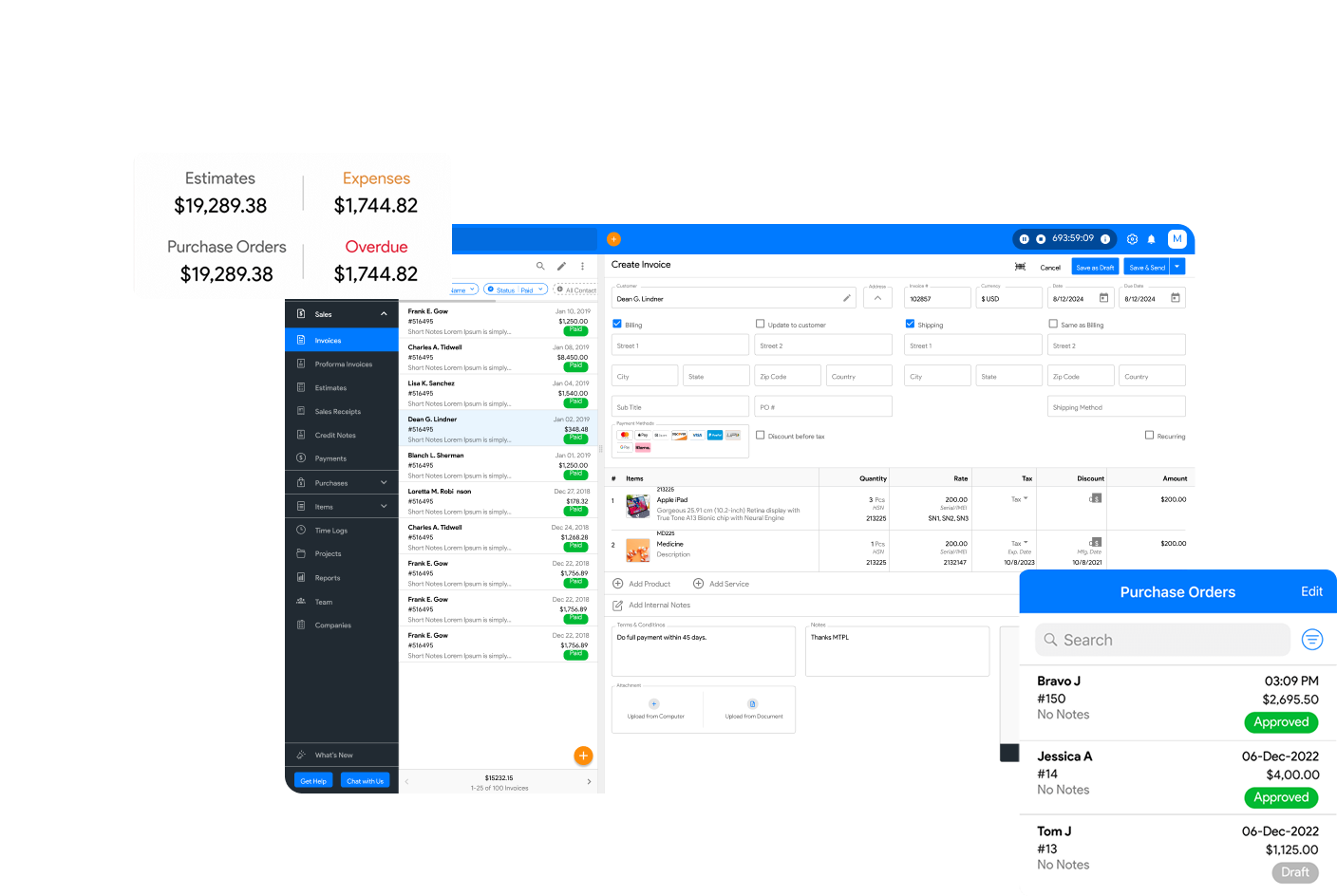
Track Your Budget in Real-time with Moon Invoice
Whether it is a contingency plan or the company’s budget plan, it has always been time-consuming. This is mainly due to businesses having no idea of expenses. And, that’s where Moon Invoice can help; seriously, it does.
The advanced invoicing software, Moon Invoice, gives you full visibility into the cash flow and a bird’s-eye view of recorded expenses in real-time. As a result, you can accurately make a new contingency plan and stay prepared for unforeseen events.
Interestingly, Moon Invoice also comprises amazing features like project management, time tracking, and project-based billing. You can not only manage multiple projects stress-free, but also create a budget contingency based on the past project data.
General Questions
1. What is an example of a contingency cost?
Say, you are handling a construction project. Days later, you had been informed that material costs had increased, and at the same time, you also needed more labor. These costs are not part of your original budget, setting a perfect example of contingency costs.
2. What are the most common contingencies in real estate?
Inspection, appraisal, financing, and title contingency are among the most common contingencies. These help buyers safeguard their interests and avoid potential risks during property transactions.
3. What is a good contingency amount?
Anything at nearly 10%-15% of the company’s total budget is considered a good contingency amount. It shows you are well prepared to combat unwanted financial hiccups, ensuring you meet the project’s deadline in a timely manner.
4. What is 20% contingency?
A 20% contingency is a 20pc additional funds allocated to a project budget in order to cover unforeseen costs, risks, or scope changes. This fund reserve acts as a financial backup for just-in-case scenarios that may pop up during the ongoing project work.
5. Why is a contingency budget important?
A contingency budget holds sheer significance because that’s the only way you stay prepared for unexpected expenses without disrupting your financial plan. It shields your profit margins, keeps projects on track, and lowers the risk of delays as well.



We at Moon Invoice, are the best minds behind smarter invoicing and seamless business growth. We love to solve financial problems and keep providing effective tips through our blogs, newsletters, and social media channels. As a team, we continue exchanging ideas about growing financial challenges and smart use of automation tools.