


The term “stockout” is a nightmare for many warehouse managers. Not having enough stock for your customers is the last thing you want while running a business.
During periods of high demand, if your stock is unavailable, customers generally don’t wait; they turn to a competitor. This is another big blow for retailers, as winning back their customers’ trust becomes very difficult.
Whether you operate a retail store, wholesale business, or restaurant, you must always keep an eye on your stock to keep your business running uninterrupted. But the question is: what strategies will you use to prevent stockouts?
Well, if you are looking for answers to “how to prevent stockouts” for your business, this blog is exactly for you. Let’s get started without wasting any time…
📌 Key takeaways
- Stockouts occur when businesses run out of stock and can’t meet customer demand immediately.
- Businesses should consider using barcode inventory management software to avoid running out of stock when needed.
- Accurate demand forecasting, setting minimum stock levels, and enabling low stock alerts can prevent stockouts.
- Real-time inventory monitoring and keeping safety stocks are among other expert tips to prevent stockouts.
- Mostly, stockouts happen in businesses due to manual inventory tracking and poor visibility across sales channels.
What are stockouts? (Stockouts meaning)
A stockout occurs when a business’s stock is completely depleted, and customer demand can’t be met immediately. Simply put, it’s a situation where the customer demand exceeds the available stock. Generally, stockouts occur due to poor inventory planning, unexpected demand spikes, or supplier delays.
For example, let’s say a customer visits your clothing store to buy a new trendy shirt, but it is sold out. If the customer doesn’t wait for the item to be restocked, they are likely to buy from another store. This results in a loss of revenue and the loss of the customer’s trust and loyalty.
How to prevent stockouts? 15 tips to consider
There are multiple ways to prevent inventory stockouts. Below, we have listed 15 of the best tips to prevent stockouts for your business.
1. Forecast demand using sales data
Remove assumptions from your business strategy. You should focus on analyzing historical sales data to identify purchasing patterns, seasonal inventory trends, and high-demand products. By doing so, you can easily stock the right products in the right quantities before demand increases.
By analyzing your detailed sales and inventory reports, you can easily identify fast-moving products, adjust pricing plans, and proactively replenish stock rather than react after inventory runs low.
Fulfill every customer demand with Moon POS.
Manage stock effortlessly with real-time inventory tracking, automated updates, and smarter inventory control.
2. Set safety threshold
One of the simplest ways to prevent stockouts is to set a safety threshold for every product. This helps you identify when inventory is running low and when it’s time to reorder before products run out.
Instead of waiting until shelves are nearly empty, maintaining a safety threshold ensures you always have enough inventory to meet customer demand, even if supplier deliveries are delayed or sales increase unexpectedly.
3. Keep an eye on low inventory
Making a habit of reviewing your inventory is another simple way to prevent stockouts. Ask your warehouse team to keep an eye on stock levels, identify products that are running low, and prioritize them for replenishment.
However, if this approach takes longer than usual, try utilizing online tools or POS inventory software, using which you can enable automatic low-stock alerts. That’s right, no guesswork required. By doing so, you always have enough stock to fulfill customer orders.
4. Track inventory trends
Another tip to prevent stockouts is keeping track of how inventory moves. Well, it is just as important as knowing how much stock you have. So, regularly monitor which products are selling faster than expected, which items move slowly, and how customer demand changes over time.
A practice that helps you adjust purchasing decisions, replenish high-demand items before they run out, and avoid inventory shortages while maintaining the right stock levels.
5. Consider using RFID technology
When customer demand grows, manually locating each inventory item can be time-consuming. Implementing RFID (Radio Frequency Identification) can help you keep unwanted surprises at bay. By using radio-based product tracking, businesses save more time on inventory identification. It is faster and more accurate than traditional methods.
By implementing RFID technology, retailers can reduce stock counting time, improve inventory visibility, and minimize errors caused by misplaced or unrecorded items.
6. Use inventory management software
Wholesalers, distributors, and manufacturers can simplify their inventory management when they use a reputable inventory management software like Moon POS. Using software helps your team automate the entire stock management process by keeping accurate inventory records. Reputable software offers a barcode generator and thermal-printed barcodes to help monitor stock in real time.
Using inventory management software helps eliminate human errors and maintain optimal stock levels with minimal effort.
7. Calculate the right reorder point
Always set a base quantity or analyze sales data or historical sales patterns before reordering. Reordering inventory too early can lead to excess stock, while ordering too late increases the risk of stockouts. You must calculate the right reorder point, i.e., the inventory level at which you should place a new purchase order.
The crucial factors you should consider when calculating the reorder point are average daily sales, supplier lead times, and expected demand. By doing so, you can ensure the new stock arrives before existing inventory runs out.
8. Keep safety stock for fast-moving products
If your business deals with inventory, try figuring out fast-selling products, either manually or through whatever inventory tracking method works best for your business. During unexpected demand spikes or supplier delays, these best-selling products are the ones that will run out quickly. So, it’s recommended that you always keep a small amount of safety stock for these products as a backup. This backup comes to the rescue when restocking takes longer than expected.
Keep in mind that you need to maintain a buffer stock that can handle short-term fluctuations without overstocking. This way, your business will continue to meet consumer demands consistently.
Still guessing where the inventory is? Use the barcode generator in Moon POS to simplify inventory tracking.
9. Perform regular inventory audits
Performing regular inventory audits is another way you can prevent stockouts. Audits help verify whether your physical stock matches your inventory records. They also help identify common issues such as counting errors, damaged goods, misplaced items, and slow-moving inventory that occupy valuable storage space.
Conducting inventory audits in regular intervals helps businesses correct their inventory discrepancies early. Over time, this leads to more accurate inventory planning and lowers the chances of unexpected stockouts.
10. Use ABC inventory analysis
Not every product in your inventory requires the same level of attention. ABC inventory analysis helps you categorize products by value and demand. Using ABC analysis, you can prioritize inventory management more effectively. For example, high-value or fast-selling items should be monitored more closely than products that contribute less to your revenue.
You can focus on the inventory that matters most and allocate resources wisely. It improves stock planning and reduces the risk of running out of your best-selling products.
11. Track supplier lead times
Your inventory planning depends significantly on the suppliers’ delivery schedules. While operating a retail business, you should track supplier lead times to understand how long it takes for new stock to arrive after placing an order. By doing so, you can plan replenishments in advance.
Regularly reviewing lead times also helps you identify delays or inconsistencies from suppliers. You can also look for alternative vendors if inconsistencies are occurring frequently. This approach ensures products are restocked on time.
12. Identify stockout patterns
In a retail business, if stockouts are frequently occurring, it indicates there are bigger issues in the inventory process. To avoid this, you should review past inventory reports and clearly highlight the products that run out most often. You also need to review the time of year they experience higher demand, and the reasons behind those shortages. This analysis helps you accurately anticipate customer demands.
Recognizing these patterns also strengthens your supply chain management and enables you to coordinate more effectively with suppliers.
13. Centralize inventory data
If you sell products through multiple channels, such as physical stores, online marketplaces, or your own website, you might not have centralized inventory data. Such things can lead to stock discrepancies and overselling. Instead, centralize your inventory data so that every sales channel reflects the same real-time stock information. This minimizes errors and helps increase inventory accuracy.
When customers see accurate product availability and receive their orders without delays or cancellations, they’re more likely to trust your business and shop with you again. That’s a clear sign of improved customer satisfaction.
14. Diversify your supplier network
Relying on a single supplier can leave your business vulnerable to unexpected delays, shortages, or disruptions. Building relationships with multiple suppliers ensures you always have an alternative source when one vendor is unable to fulfill an order.
A diversified supplier network helps reduce replenishment risks and maintain consistent inventory levels even during unforeseen circumstances.
15. Clear excessive inventory
Holding on to products that rarely sell can tie up valuable storage space and working capital. Instead of letting slow-moving items accumulate, consider liquidating surplus stock through discounts, bundle offers, or seasonal promotions. This helps reduce excessive inventory and frees up space for products with higher demand.
Regularly clearing surplus stock also lowers inventory holding costs and gives your business more flexibility to invest in fast-moving products.
Why do stockouts happen?
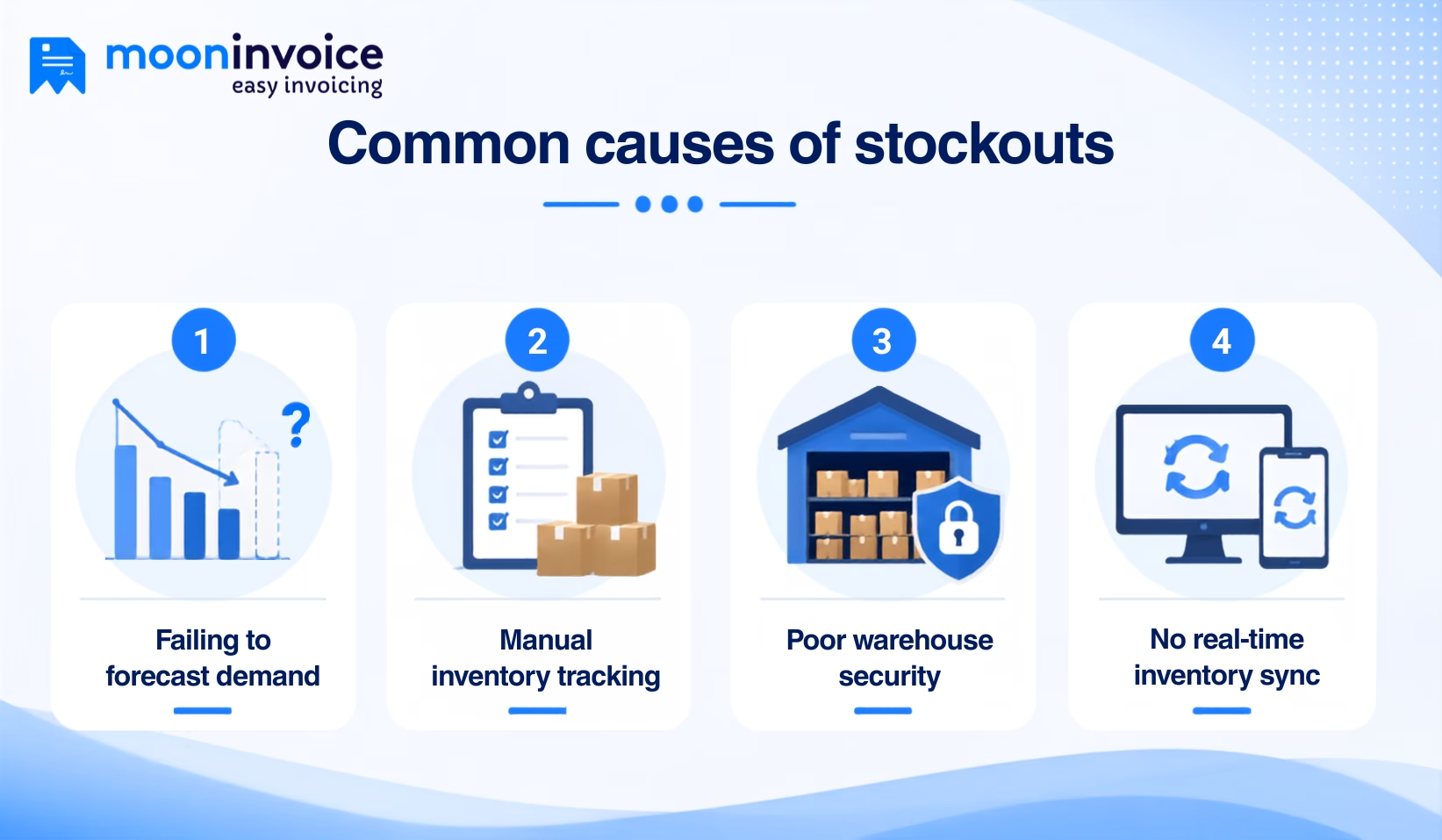
The common causes of stockouts include unexpected demand spikes, poor inventory management, or supplier delays. But that’s not all of it. There could be multiple other reasons why stockouts happen in retail businesses.
- Failing to forecast demand: When retailers fail to estimate customer demand accurately, they often end up with insufficient inventory during peak sales periods. It leads to frequent stockouts.
- Manual inventory tracking: Relying heavily on spreadsheets and paperwork to track inventory increases the risk of human errors, inaccurate stock counts, and delayed inventory updates.
- Poor warehouse security: Weak inventory controls, lack of proper security, and inappropriate stock handling can lead to theft, damage, or misplaced inventory, ultimately causing shortages.
- No real-time inventory sync: Manufacturing firms selling through multiple stores or online platforms may oversell products if software doesn’t provide real-time synchronization. And therefore stockouts usually happen.
Why let stockouts hurt your business growth?
Take control of your inventory with automation that keeps your shelves stocked.

Printable barcodes
Stock reminders
Real-time sync
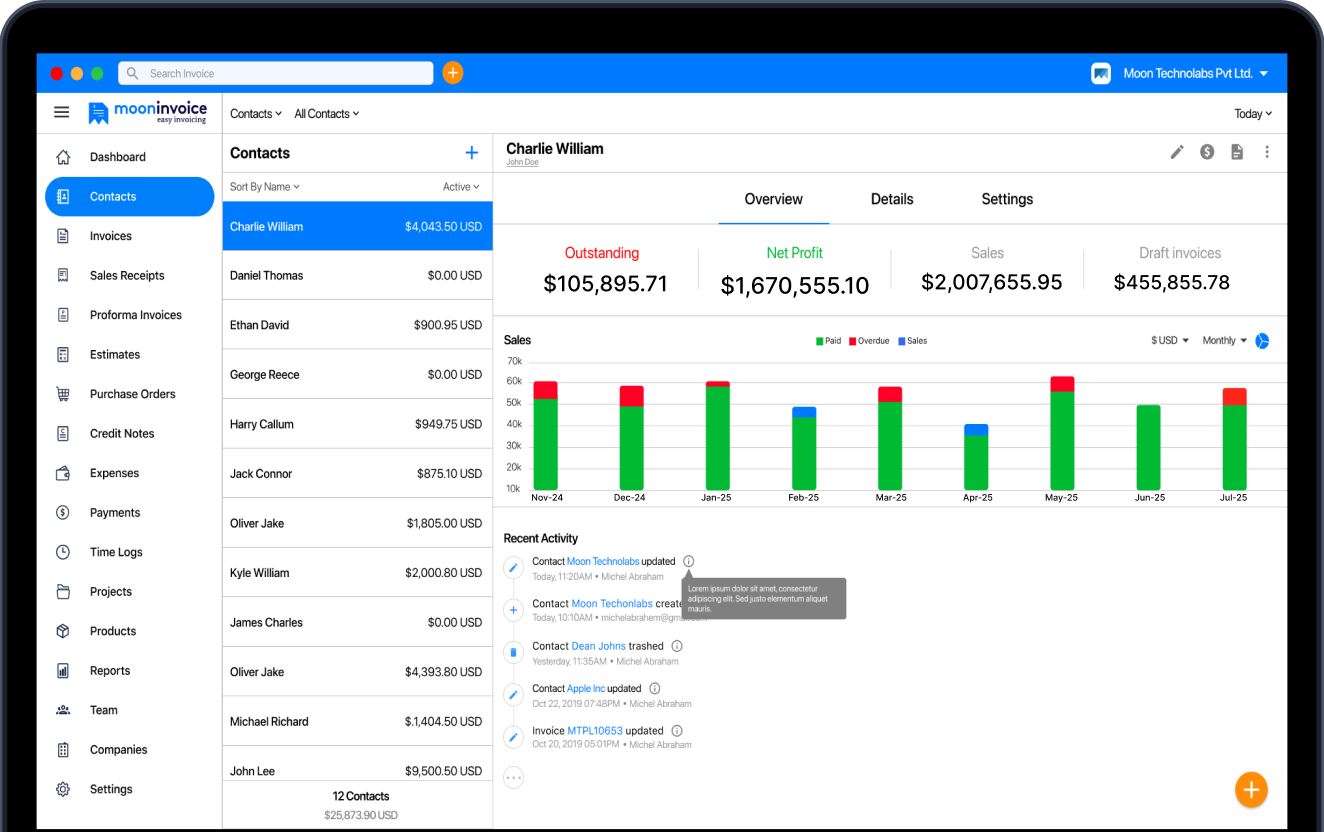
Never let stockouts slow your business again
Frequent stockouts can hit your business operations more than you have ever imagined. They can damage customer relationships, which eventually dent your hard-earned business reputation. However, by following the right inventory management practices, you can prevent stockouts.
When you use automated inventory management software or POS solutions in your business, they make a huge difference. Reliable POS solutions such as Moon POS can be handy for businesses as they offer features like online barcode generation, AI product image generation, and 20+ payment integrations.
Whether you’re running a single store or managing stores on multiple locations, Moon POS can help you avoid running out of stock.
So what are you waiting for? Get Moon POS before your stock runs out again!
Commonly asked questions on how to avoid stockouts
What is safety stock?
What causes stockouts in inventory management?
How do low-stock alerts help businesses?
Which is the best method to prevent stockouts?



We at Moon Invoice, are the best minds behind smarter invoicing and seamless business growth. We love to solve financial problems and keep providing effective tips through our blogs, newsletters, and social media channels. As a team, we continue exchanging ideas about growing financial challenges and smart use of automation tools.



![QR Code Menu: How to Create a Contactless Menu [A Complete Blueprint]](https://cdn.mooninvoice.com/mi-live/blog/wp-content/uploads/2025/12/15112114/QR-code-menu-feature-imag-01.jpeg "QR Code Menu: How to Create a Contactless Menu [A Complete Blueprint]")